Why Babies Dance Before They Walk—and Why It Matters
By resodev - January 5, 2026
Before babies can talk or walk, many of them dance. Research highlighted in a 2025 review shows that infants naturally move to music within their first year, and these early dance-like movements offer powerful clues about brain development. Babies respond differently to fast versus slow music and show greater movement to familiar songs, revealing early rhythm perception and musical memory.
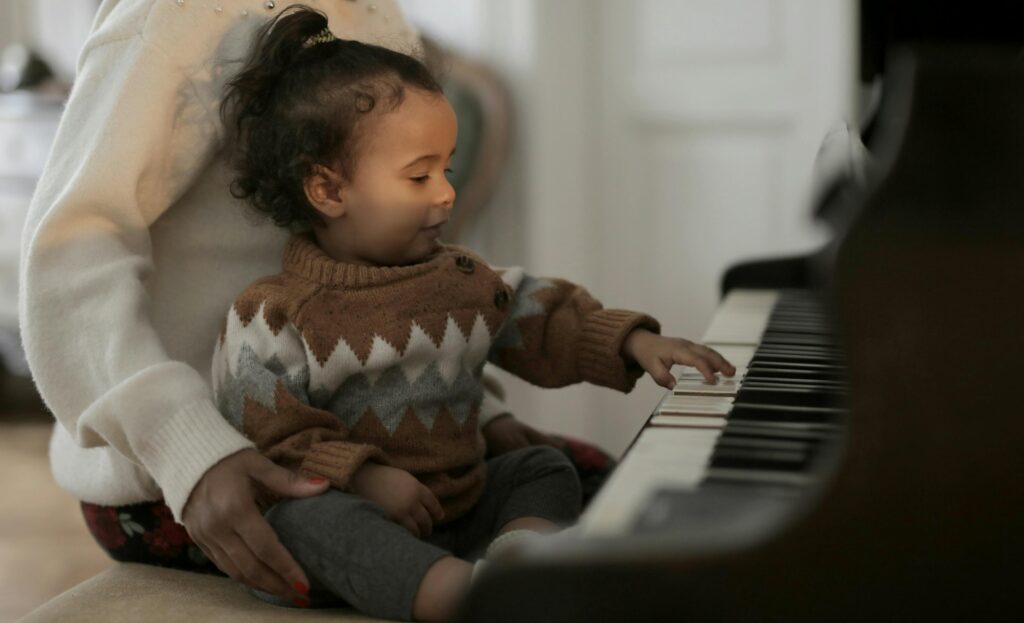
Scientists believe dance emerges through a mix of biology and experience. Thebrain’s auditory and motor systems are closely connected, so hearing rhythm naturally triggers movement. At the same time, encouragement from caregivers and cultural exposure can shape how much and how early children dance.
Beyond being adorable, dance supports development in meaningful ways. Moving in sync with caregivers strengthens emotional bonds, helps regulate emotions, and can even support language development. Studies link strong rhythmic skills in infancy with better vocabulary and grammar later on.
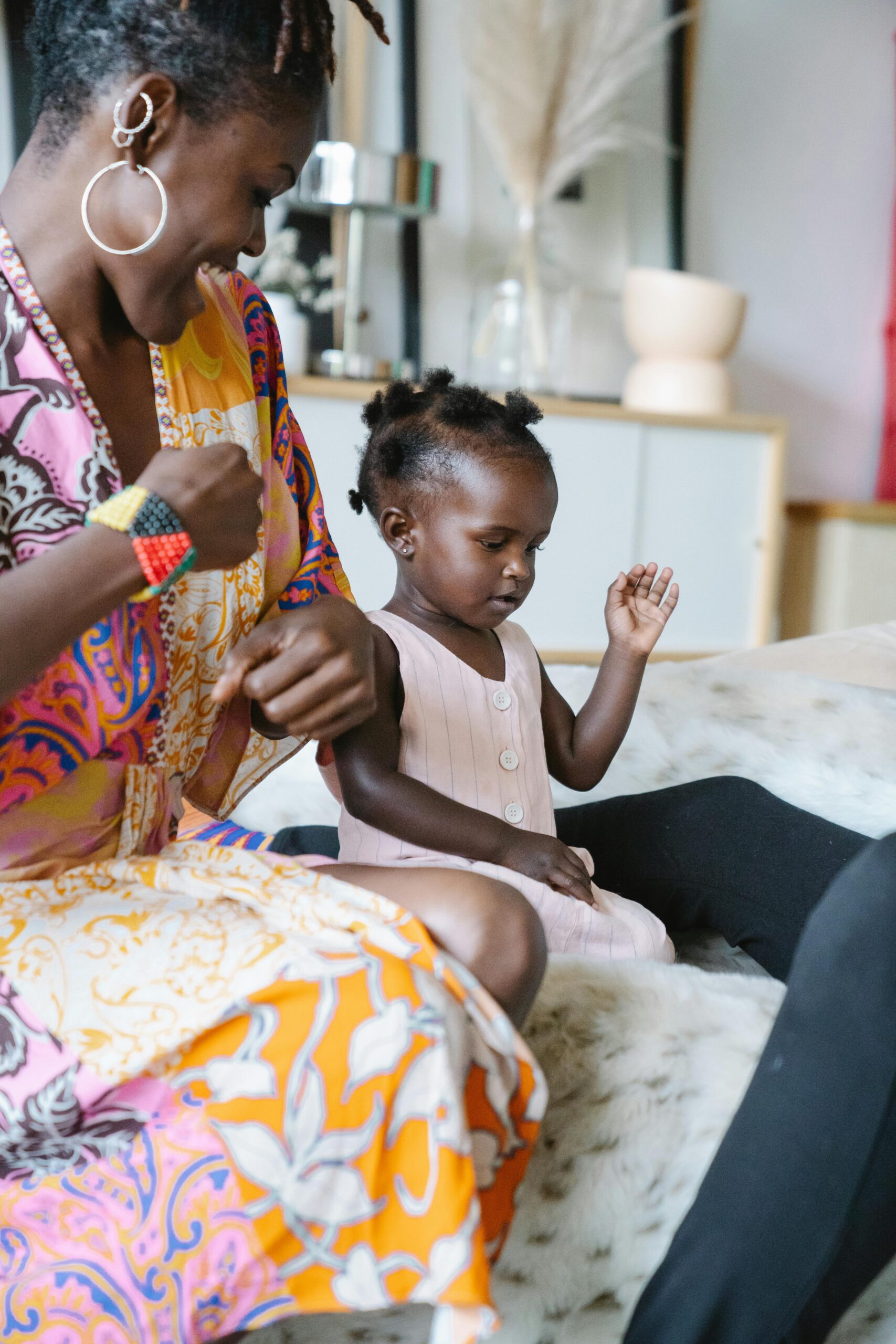
For parents, the takeaway is simple: turning on music and dancing together isn’t just fun—it’s a powerful tool for connection, learning, and emotional support for both babies and caregivers. ❤️
Source: https://www.psychologicalscience.org/news/2025-june-dance-
children.html